





twist
Every design process is a chain of transformations and translations: An idea becomes a sketch, a spatial program becomes a plan, a plan becomes built space. These transformations shape, shift, and twist the original into something new. In the lecture-practice course Three-Dimensional Design, we examine these translational design processes in Winter 2025. We make them conscious, experiment with them, and learn to understand them as design tools – especially in a time when algorithmic tools and generative AIs strongly influence and change the way we design.
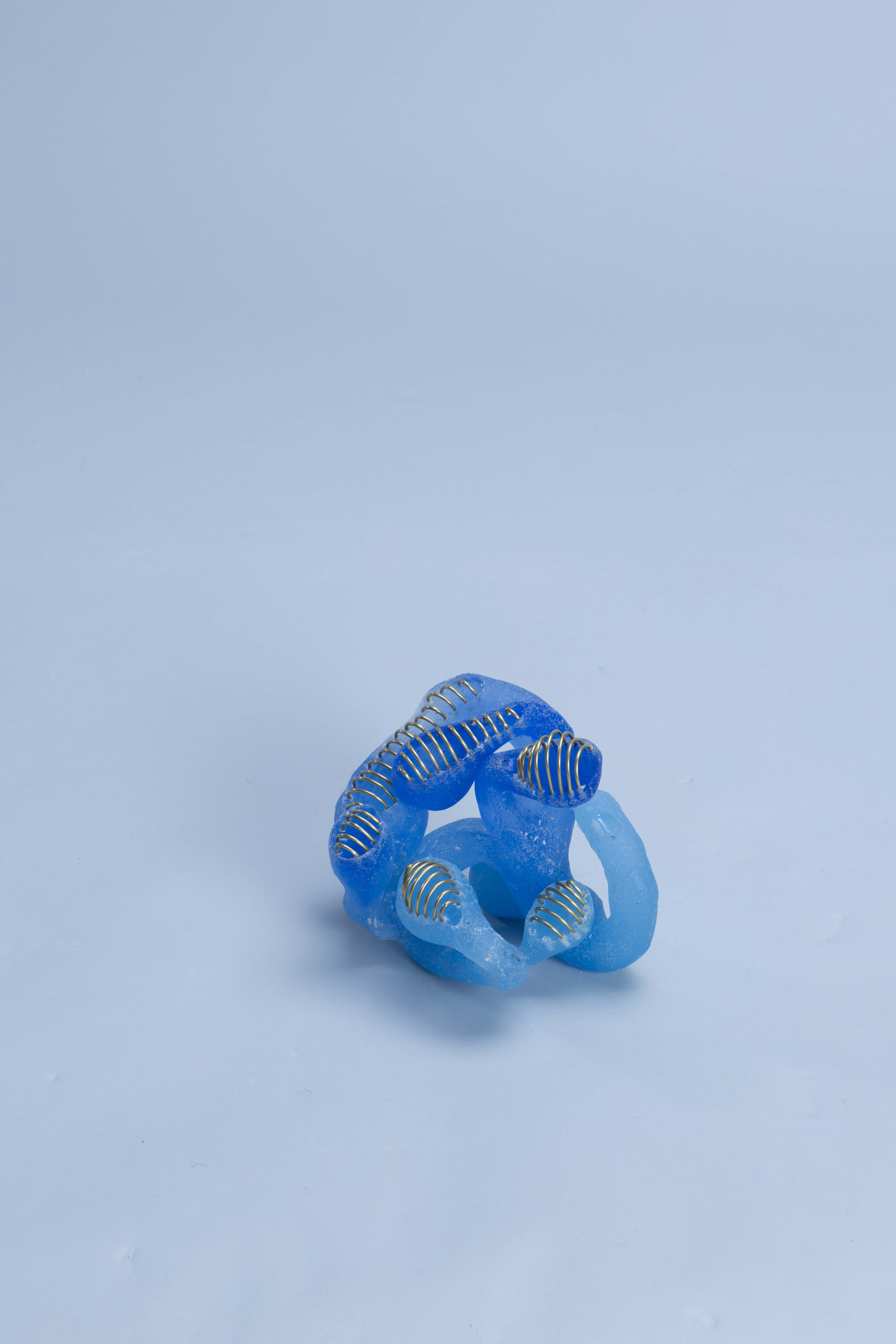
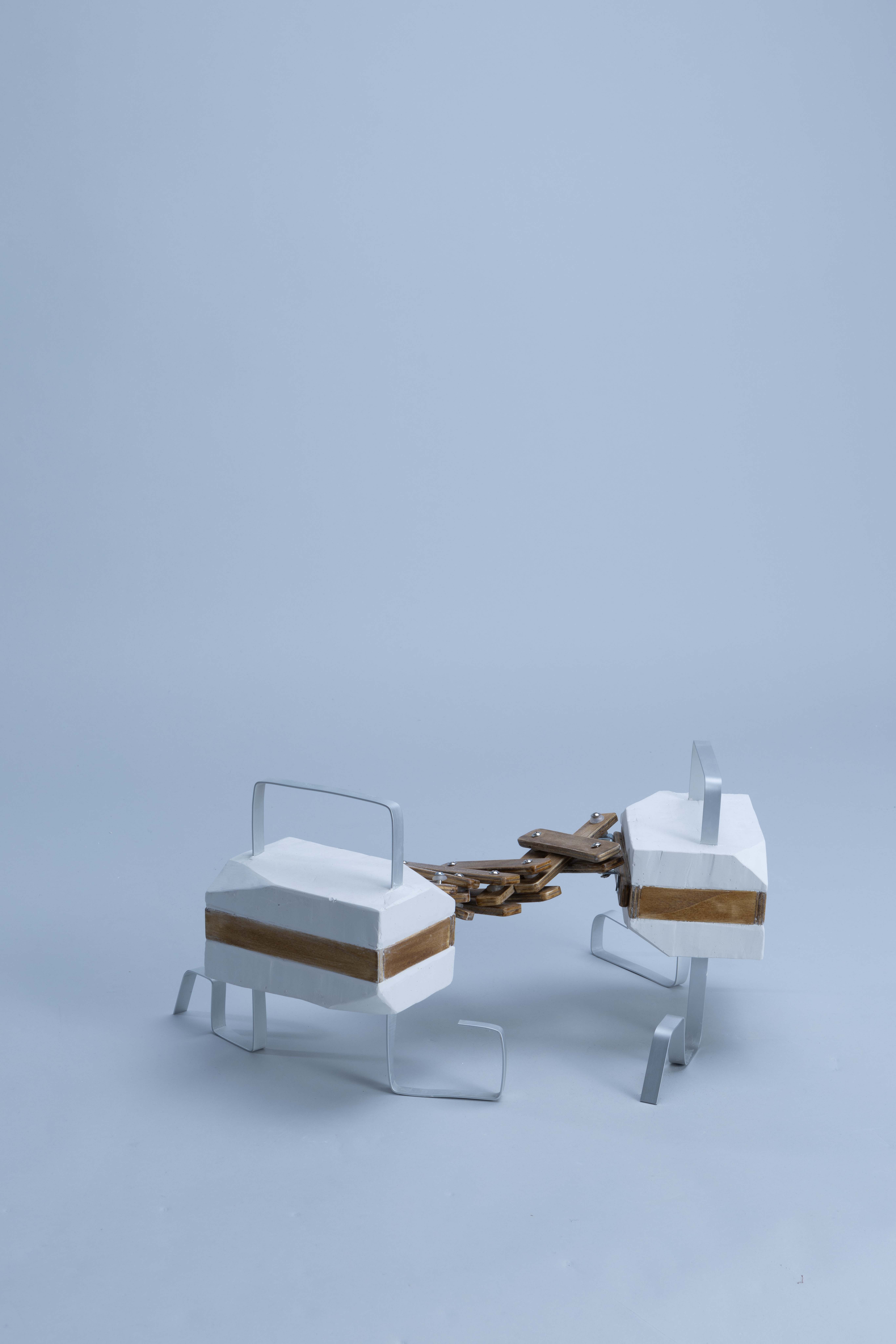
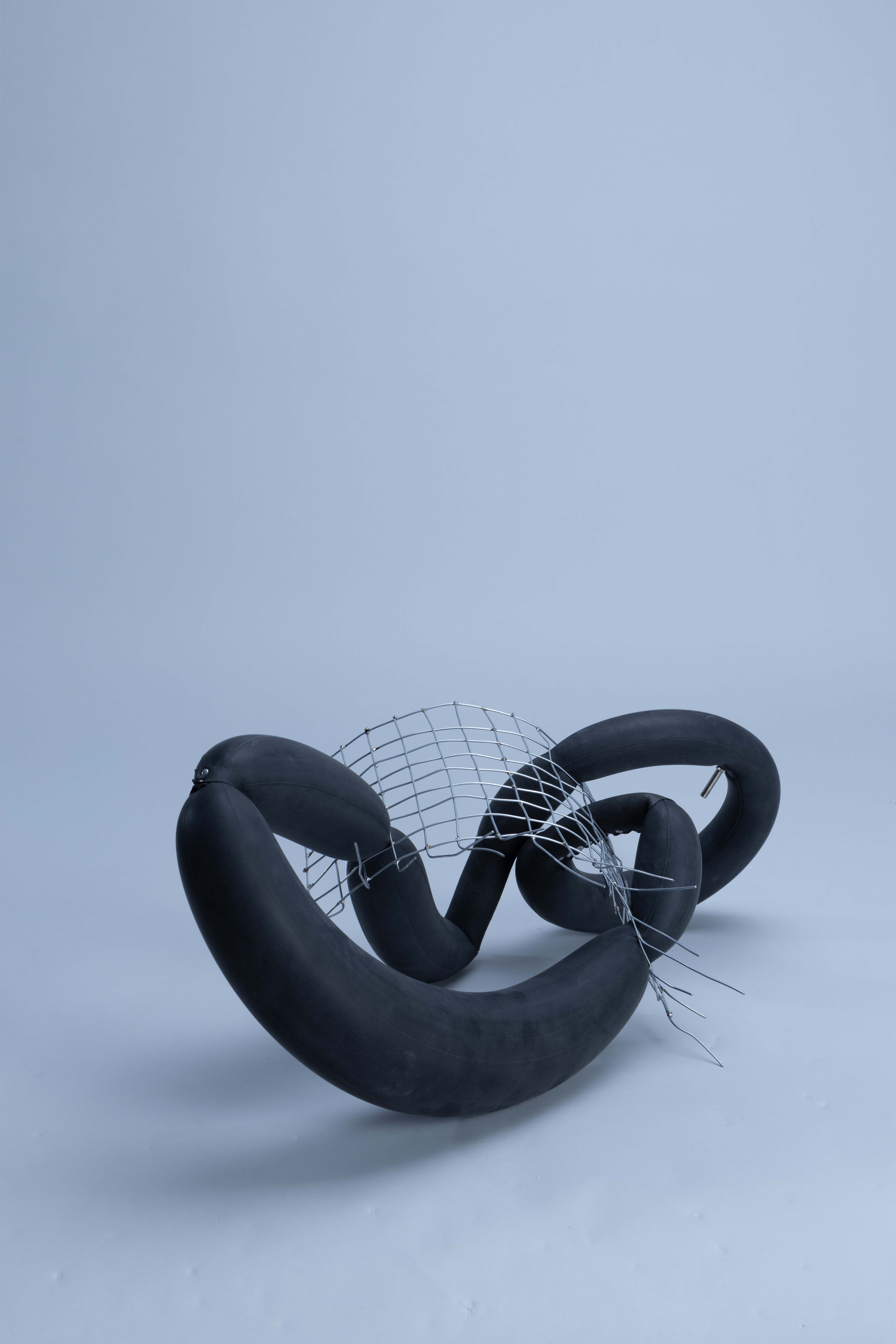
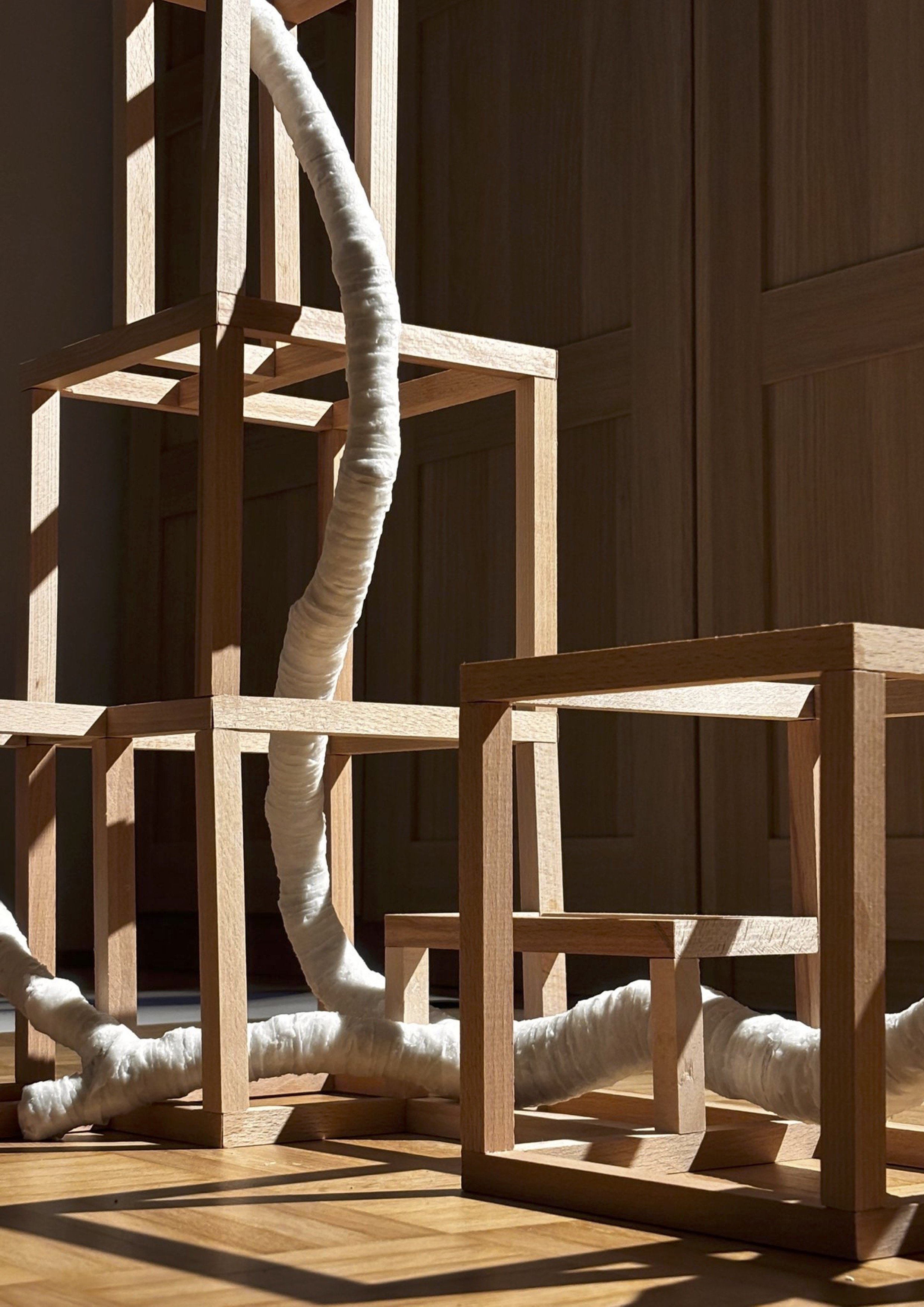
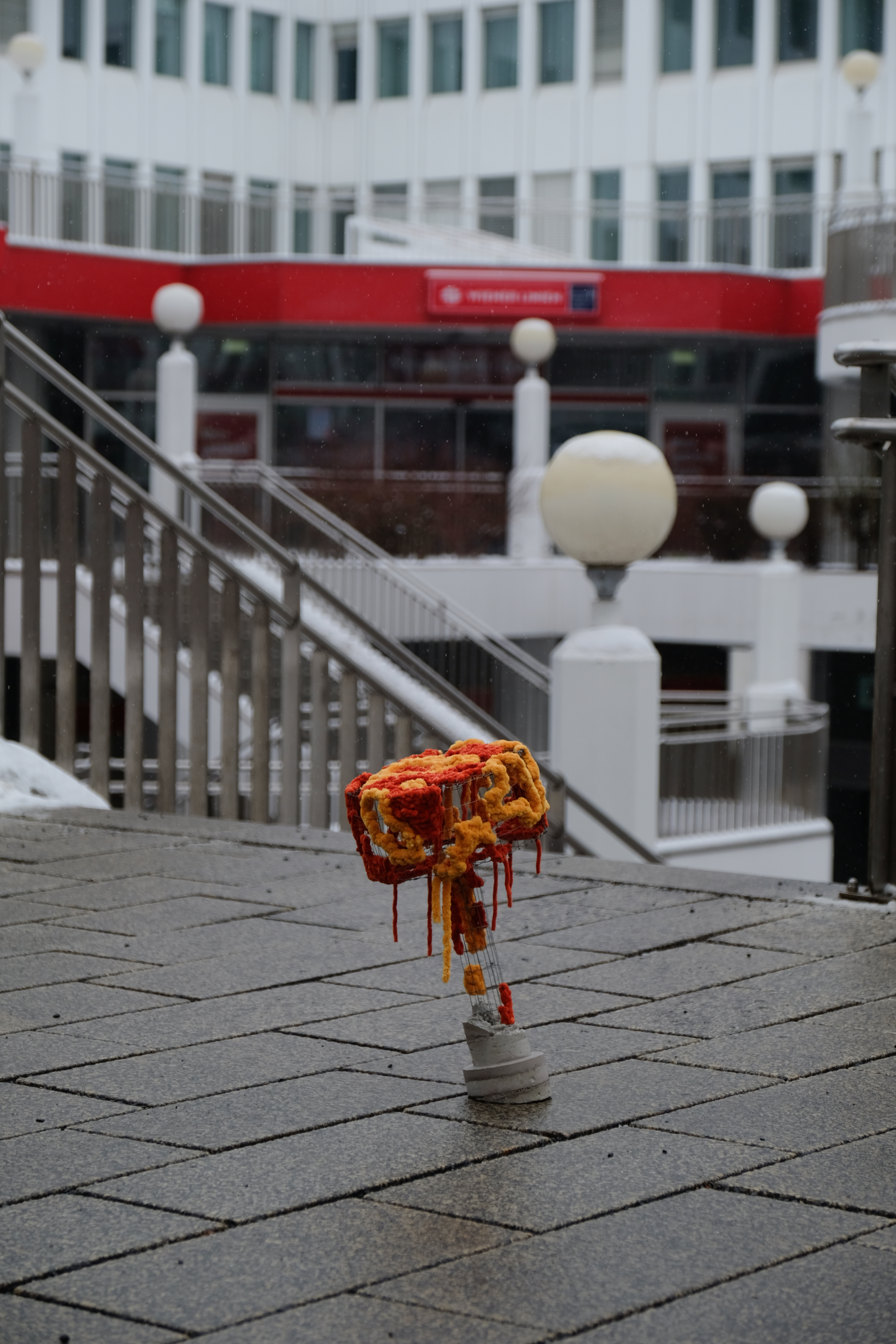
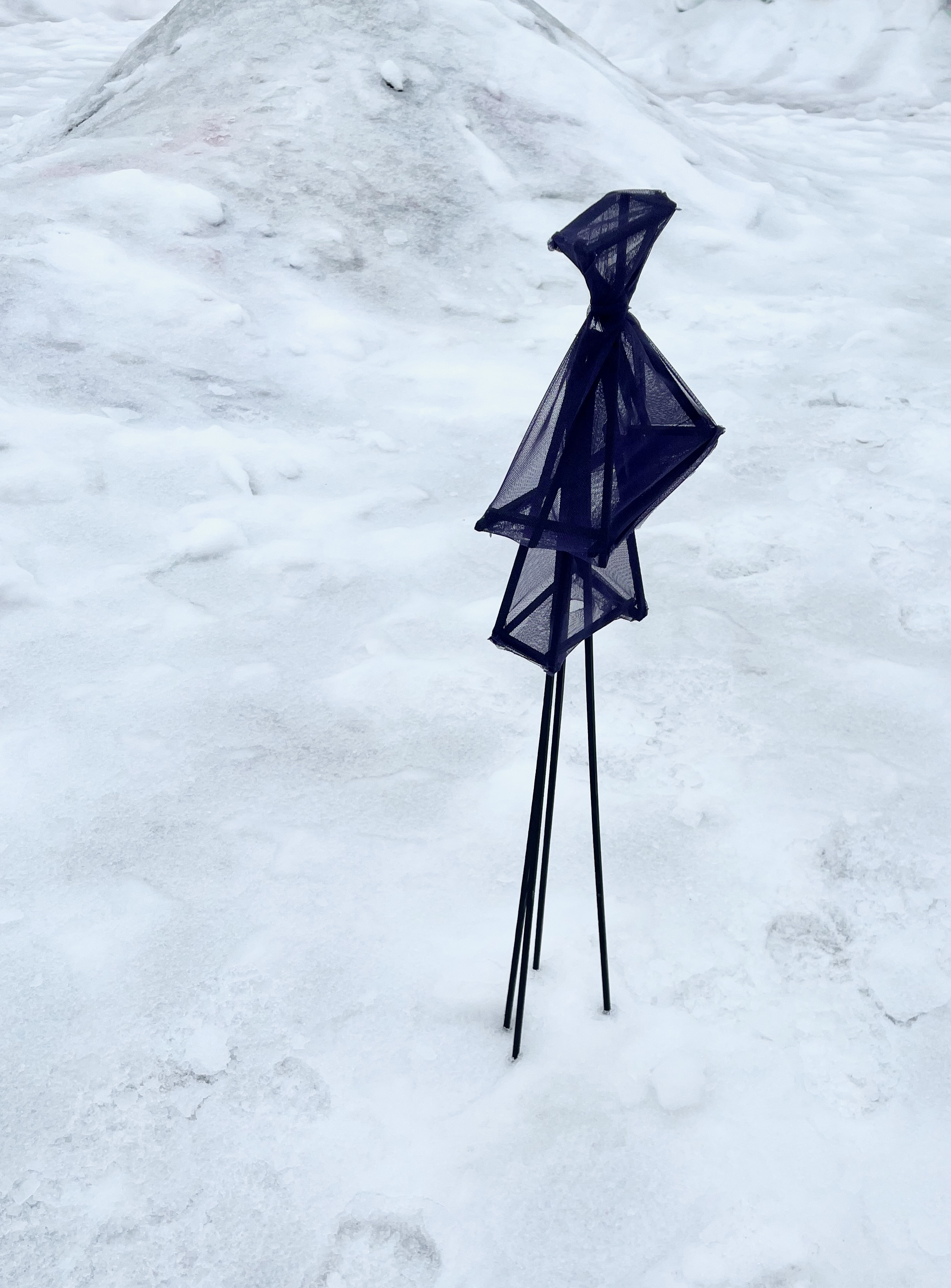
This semester we explore these processes through a central theme: the analysis of a movement and its representation as a three-dimensional object in space. Like shadows on a wall that give us first hints about spatial forms, we use drawing as notation for design – as a bridge from the two-dimensional to the spatial form. The methodology is based on a cyclical transformation process between various predetermined media, where each exercise is coherent in itself while simultaneously serving as the starting point for the next.
Through abstract, experimental exploration of our own movement with our bodies and the spatial urban context, this lecture-practice course aims to sharpen awareness of the significance of the human body within our design processes. Through this exploration, students create three-dimensional forms that engage with fundamental design aspects such as balance, orientation, aesthetics, spatial perception, and materiality. The cycle closes at the end of the semester when we return to the first step, bringing together both content and form.
The weekly lecture provides the theoretical foundation for practical experiments. This interrelationship between practice and theory is essential for knowledge gain and deeper insight into the respective exercise topics. Special focus lies on the intelligent connection of analog and digital techniques – students learn to consciously use Artificial Intelligence and meaningfully combine it with craft methods. The method trains central future competencies: the ability for conscious media navigation, not only but also within architecture for planning processes, team coordination, and critical handling of generative tools.
In this lecture-practice course, we consider artistic practice as the foundation for knowledge production. The engagement with and reflection on specific methods and production processes in the application of individual creative projects is an essential component here (Form+Meaning). The course consists of five practical exercises that reflect the semester theme.